As winter in New Britain, PA starts to conclude, it’s time to address some late-season HVAC tasks. Preparing your HVAC system for the transition from heating to cooling can boost efficiency, ensure healthy indoor air quality, and reduce the prevalence of repairs. Allow our team here at TCS Heating and Air Conditioning to help you get ready for spring with this simple HVAC checklist. We are also available to help with your HVAC maintenance tasks.
Changing Your HVAC Filter
Most HVAC filters are designed to last anywhere from 30 to 90 days. Winter in New Britain is longer than this, so you’ll need to perform periodic replacements. Changing your filter in the late winter months will prevent airflow restriction. Airflow issues can cause strain to your system’s components, increase your energy bills, and lead to frequent repairs. Also, you may experience hot or cold spots in your home if there are airflow issues. If you have pets in the home or someone in your residence has allergies, change your filter more frequently.
Pay attention to a filter’s minimum-efficiency reporting value rating, or MERV for short. The higher the MERV rating, the more restrictive a filter is. While this can boost indoor air quality, it can also decrease airflow. Ideally, residential heating equipment benefits from a filter that is between 8 and 12 MERV.
If you have other equipment that is part of your HVAC setup (dehumidifier, filtration), make sure you inspect and service these filters as well. Drain lines should also be inspected to ensure they don’t have any clogs that could cause water to pool. A very small leak can quickly lead to mold growth, equipment damage, or structural issues.
Maintaining Your Vents and Registers
As your heating system runs, particulate matter like dust can accumulate on and inside your vents. Before you switch over to the cooling function for the spring and summer, maintain these areas. You can wipe down the vent and register covers with a damp cloth. Vacuum out the inside of your vents and around the covers. This will reduce the circulation of allergens throughout your home and protect both heating and cooling equipment.
Make sure that you don’t have any items blocking your vents and registers. This includes keeping furniture, rugs, and other belongings at least a few feet away from openings.
If indoor air quality is a concern of yours, consider scheduling a professional ductwork inspection and cleaning. This is something we recommend every few years or more often if you suffer from allergies. By removing debris from your ducting, you’ll enjoy cleaner indoor air. Your heating and cooling equipment’s interior components will be protected from strain and damage caused by particulate accumulation. Your ductwork can also be sanitized to remove microbial growth.
Assessing Your Thermostat Settings
At the end of the winter months, outside temperatures can fluctuate dramatically. You may need to adjust your thermostat settings to accommodate your comfort preferences. If you haven’t done so in a while, now may be a good time to replace the batteries in your thermostat. Before spring arrives, switch your thermostat to the cooling function to ensure it works before you really need to rely on air conditioning.
Consider upgrading to a smart thermostat if you don’t already have one. This device can learn your heating and cooling habits and help reduce your energy use. You can also use this device to make remote adjustments and receive alerts when it’s time for maintenance or repairs.
Inspecting Outdoor Equipment
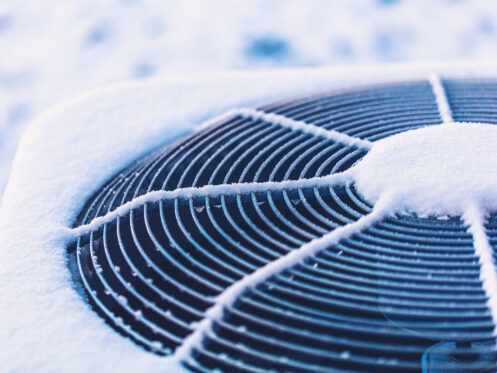
After a long, harsh winter, your outdoor HVAC equipment may need support. Clear away any snow, ice, or debris that has accumulated. Inspect for any signs of damage, including bent fan blades, rust, corrosion, or loose panels. If you notice problems, schedule professional repairs promptly to avoid larger issues.
Schedule an Inspection and Maintenance
We recommend that you schedule an appointment for AC inspection and maintenance prior to the start of spring. Waiting until the snow thaws and temperatures start to rise can result in issues with appointment availability and unexpected problems.
Routine maintenance for your cooling equipment includes inspecting components, checking refrigerant levels, tightening electrical connections, lubricating moving parts, and testing system performance.
Sealing Up Cracks and Gaps
Walk around your home and inspect for small gaps and cracks around windows, doors, and your foundation. While these gaps may be small, they can significantly affect the efficiency of your home. Use products such as caulk and weatherstripping to create a tighter home envelope. You should experience lower heating and cooling bills and fewer malfunctions after completing this task.
Consider HVAC Upgrades
Many people suffer from allergies at the end of the winter and into early spring. After the snow and ice thaw, mold may be present. Exposure can cause sneezing, coughing, itchy eyes and skin, and more. Consider upgrading your HVAC system to include air filtration and purification to enhance indoor air quality.
A whole-home air purification unit is a great way to cut down on the amount of particulate matter and allergens that are present in your indoor air. This equipment installs right onto your HVAC system and addresses all air moving through your unit, ductwork, and vents. Be sure to replace or clean your filters periodically to maximize the benefits of whole-home filtration.
Relative humidity is also something to consider. You should maintain indoor humidity between 35% and 50% to reduce the risk of mold growth and keep particulate matter concentrations low. In winter, we often experience dry air in our area. You can use a whole-home humidifier to add moisture back into your air when your heating equipment is on. When humidity is very high, a whole-home dehumidifier does a great job of removing moisture from the air.
A UV light for your HVAC system will help destroy microbes that have the potential to make you sick. This includes mold spores, viruses, and bacteria. This simple piece of equipment has a tremendous impact on your indoor air quality. However, we encourage you to have a professional install your UV sanitizing light. Exposure to UV light can be harmful. If you don’t have experience with this installation process, you may be at risk. Have your UV light maintained annually. This includes changing the light and cleaning its surface.
Late winter is an ideal time of year to address these basic HVAC tasks and potential upgrades. This process will ensure you enjoy a safe and comfortable remainder of the winter while preparing for the warm weather ahead. At TCS Heating and Air Conditioning in New Britain, we offer HVAC inspections, maintenance, repairs, and equipment installation. We have more than 45 years of experience and look forward to making you part of our TCS Heating and Air Conditioning family. Reach out to us at TCS Heating and Air Conditioning for heating and cooling support in New Britain today.

